MoriKoYa sits behind one gate in Nishi-Asakusa. It was built as a place to live in, not to pass through — which is why there are real kitchens, real walls, and a courtyard that exists for no commercial reason whatsoever.
You didn't come to see Tokyo. You came to
live it
— for a week, with the people you love.
Tokyo arrives all at once: the crowds at Senso-ji, the neon of Akihabara, a language and a rhythm unlike anything back home. MoriKoYa is where that intensity softens. The name means forest cabin — mori, forest; koya, cabin — in old Asakusa, where private apartments give you what a hotel never can: the room to be together.
Roam · Return · Reunite · Recall
歩き · 帰り · 集い · 綴り
歩き
Roam
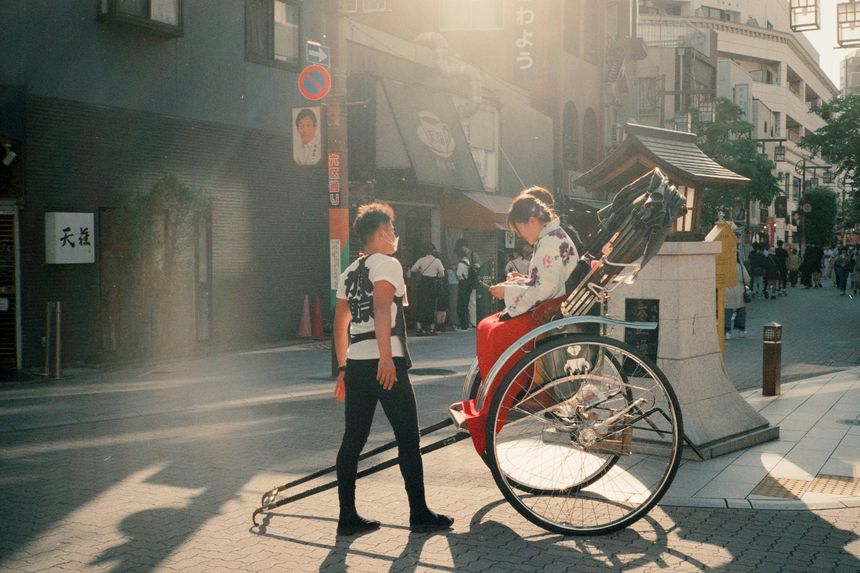
Senso-ji is six minutes on foot. Go at dawn and it belongs to whoever showed up — the tour buses arrive at nine. Round the corner the artisan streets begin: knife-makers, senbei bakers, a wagashi shop that has traded here for four centuries.
帰り
Return
Then you shut a door on all of it. Not a room — a home. The small one asleep behind a real door, a deep hot bath at the end of the day, tea in the courtyard before anyone else is up.
集い
Reunite
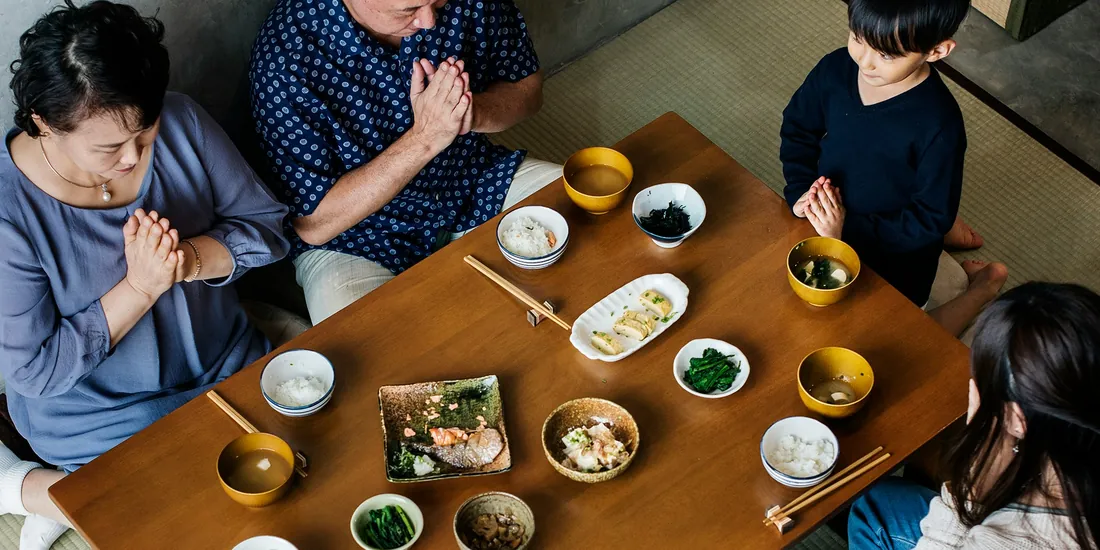
One roof. One table. Everyone. A few minutes away a sukiyaki house has cooked at the table since 1895, and will give you a private tatami room of its own. They take bookings by telephone, in Japanese. We make the call before you land.
綴り
Recall
You won't remember the photographs. You'll remember the days — the morning nobody had to be anywhere, the night the rain kept you in. They will always carry the faint scent of warm water and old wood.
The suites · sleeping
six to eight
· one gate
One booking instead of three. One set of keys, one address, one table — and nobody on a rollaway in a room built for two.
The
approach
Seven steps from the street to the deck. It takes about forty seconds, and it is the part of the building we thought hardest about.
01
From the street
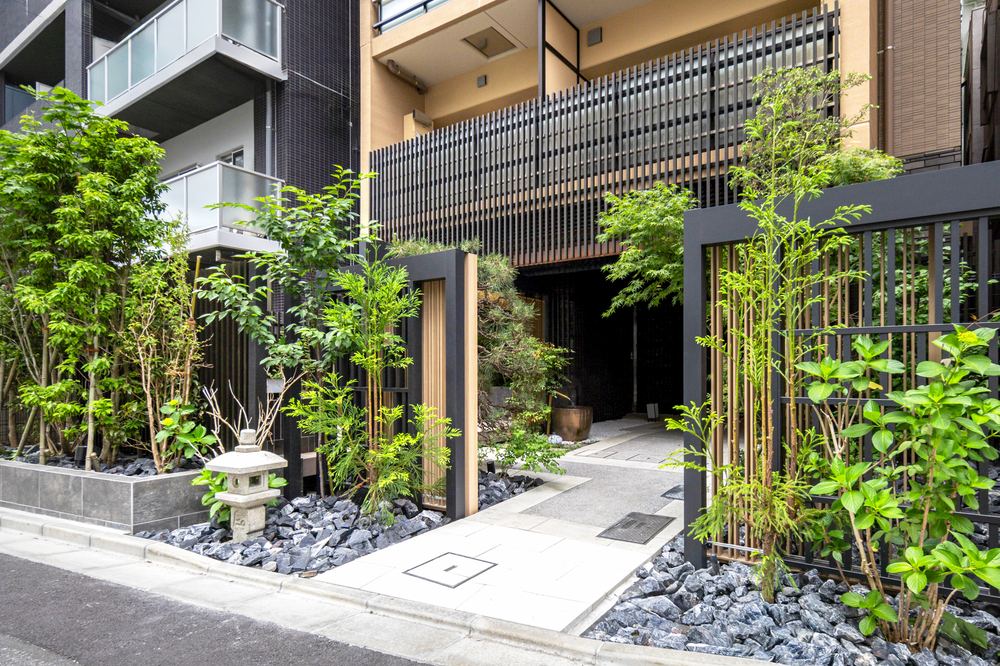
Nishi-Asakusa 3-chome is residential — apartment blocks, a few parked bicycles, no signage to speak of. The building sits mid-block, set back behind planting, and gives very little away.
02
The gate
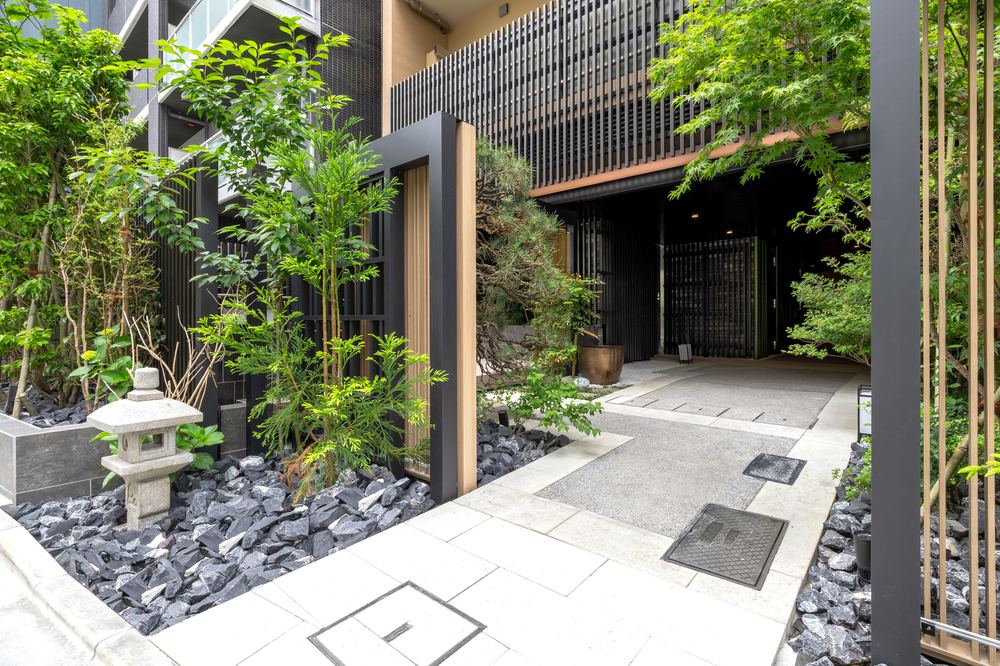
Black timber lattice and granite mark the threshold. The street brings you here and goes no further; from this point the city is something you can hear but no longer stand in.
03
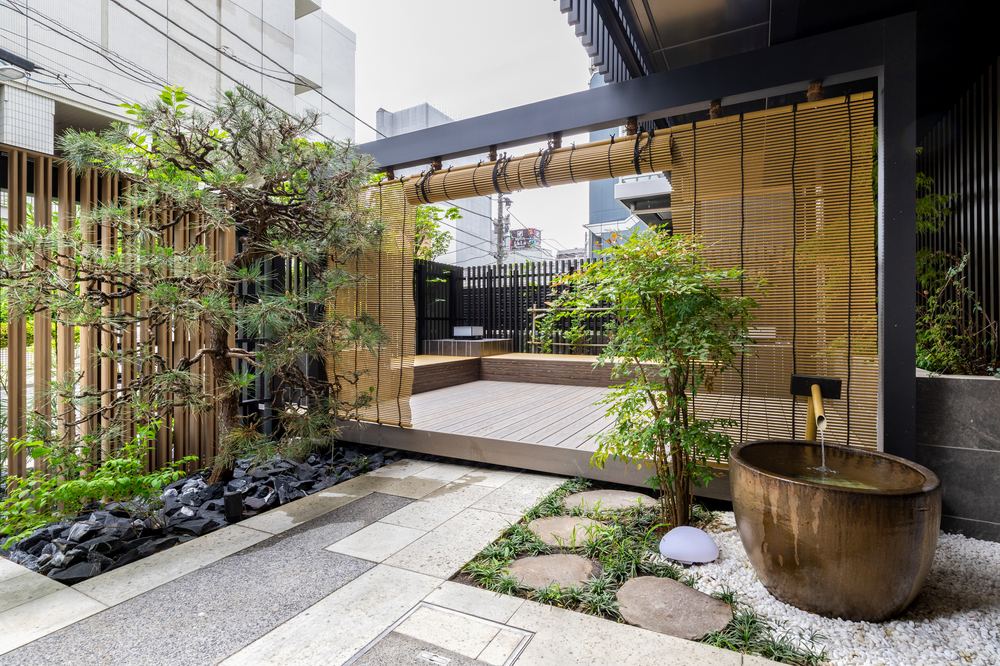
The front garden
Pine, maple, hydrangea, black gravel. Planted to be looked at from inside as much as walked past — the Japanese habit of treating a garden as a view rather than a place.
04
The stone path
Granite, laid stone by stone the old way. Each step a little quieter than the last — which is not poetry but acoustics: the planting and the lattice take the street noise out as you go.
05
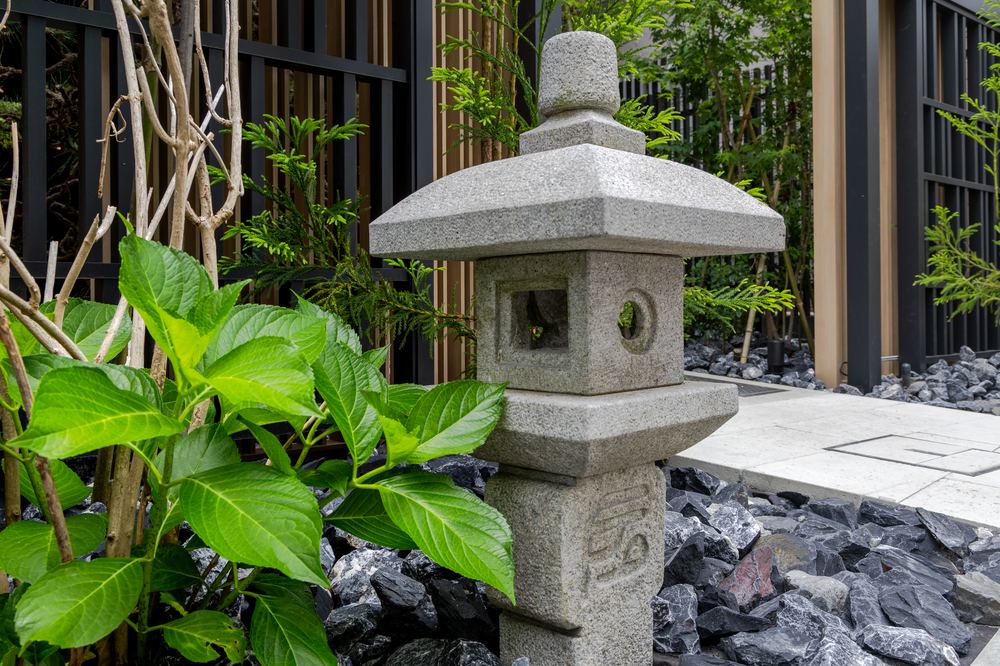
Ishidōrō
A stone lantern waits in the courtyard, as one always has in gardens of this kind. You tend to notice it on the second or third day, the way you notice the quiet.
06
The tsuboniwa
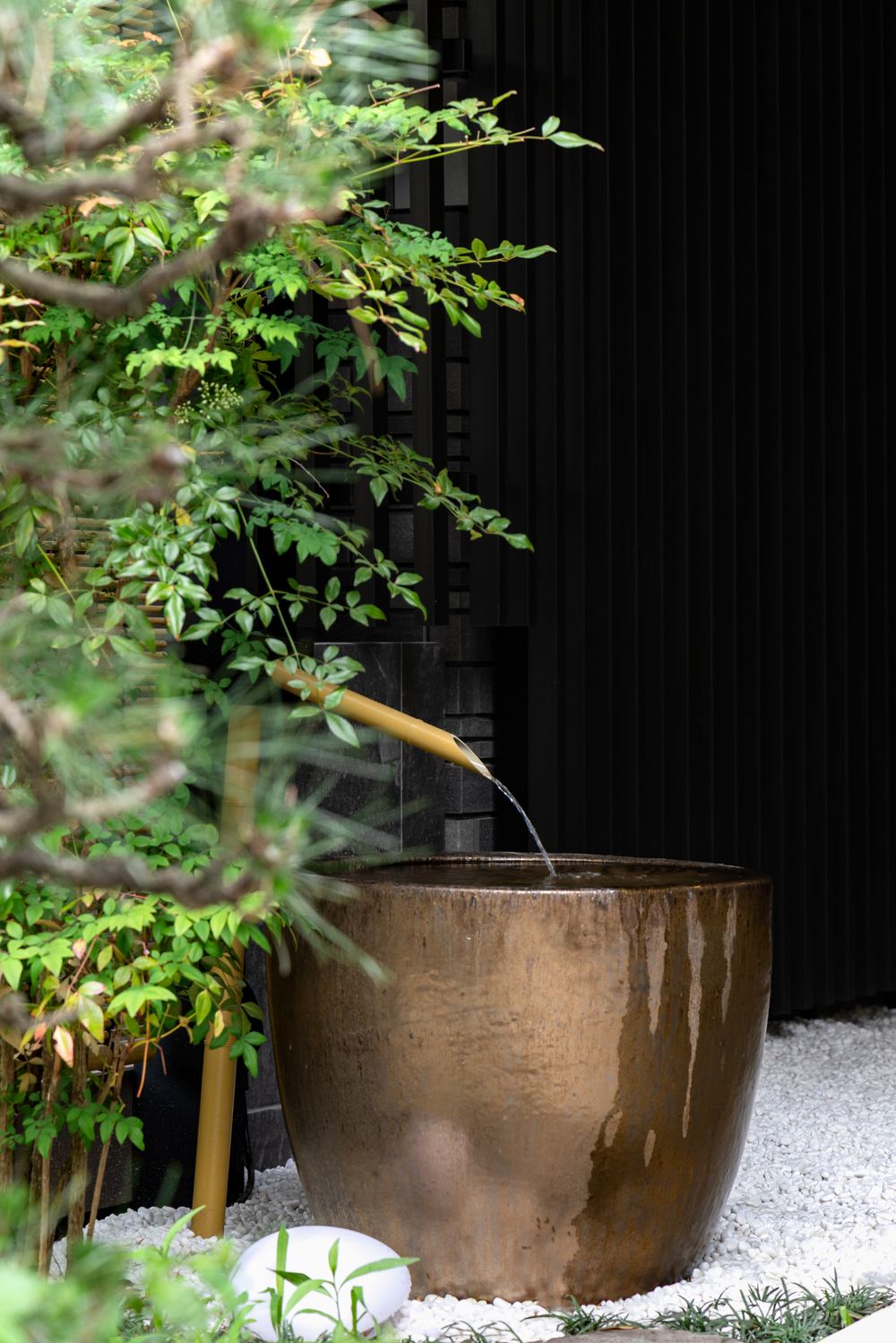
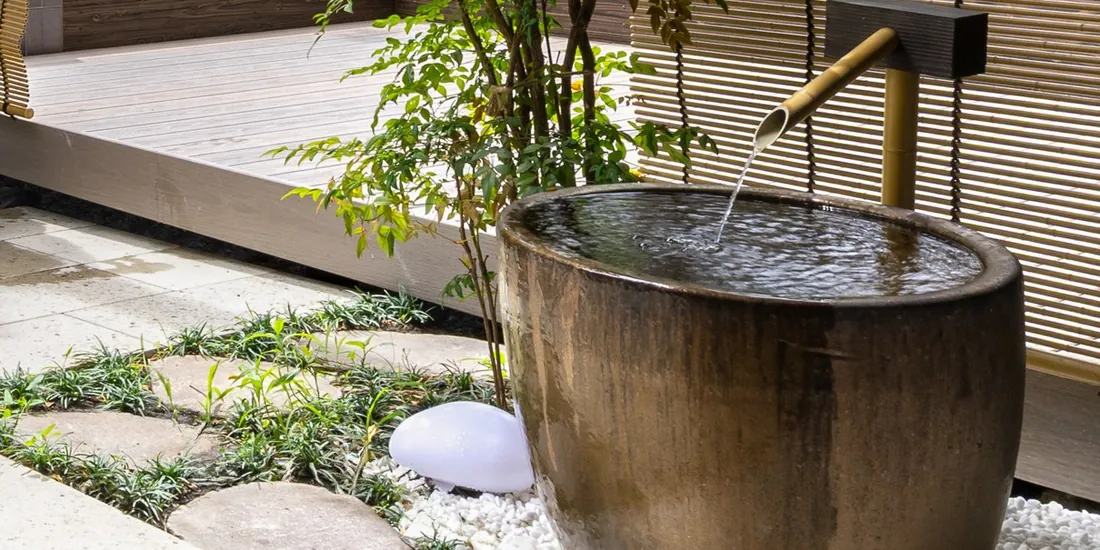
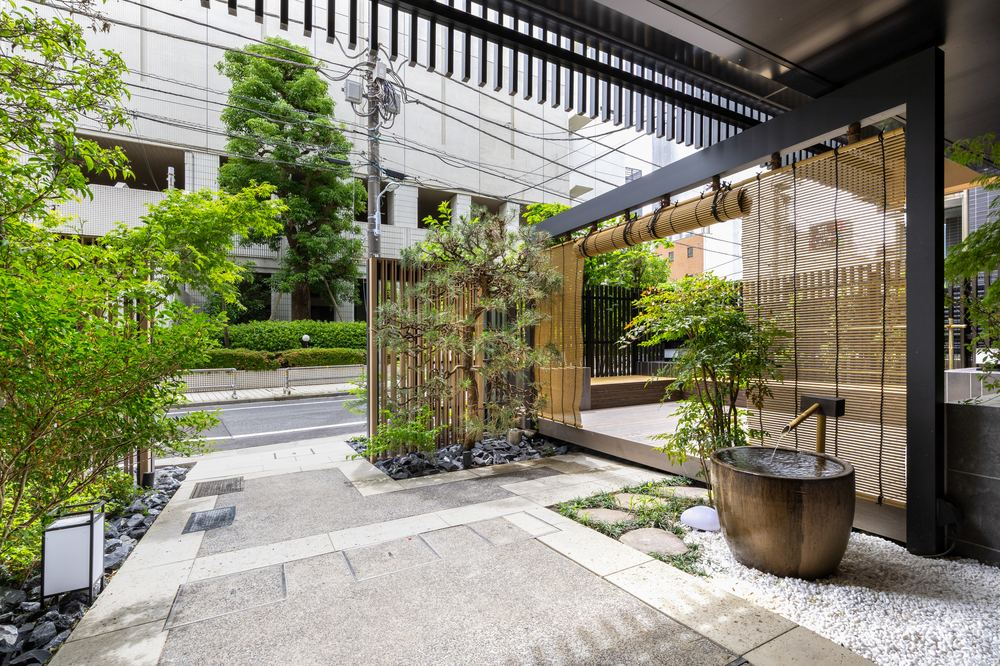
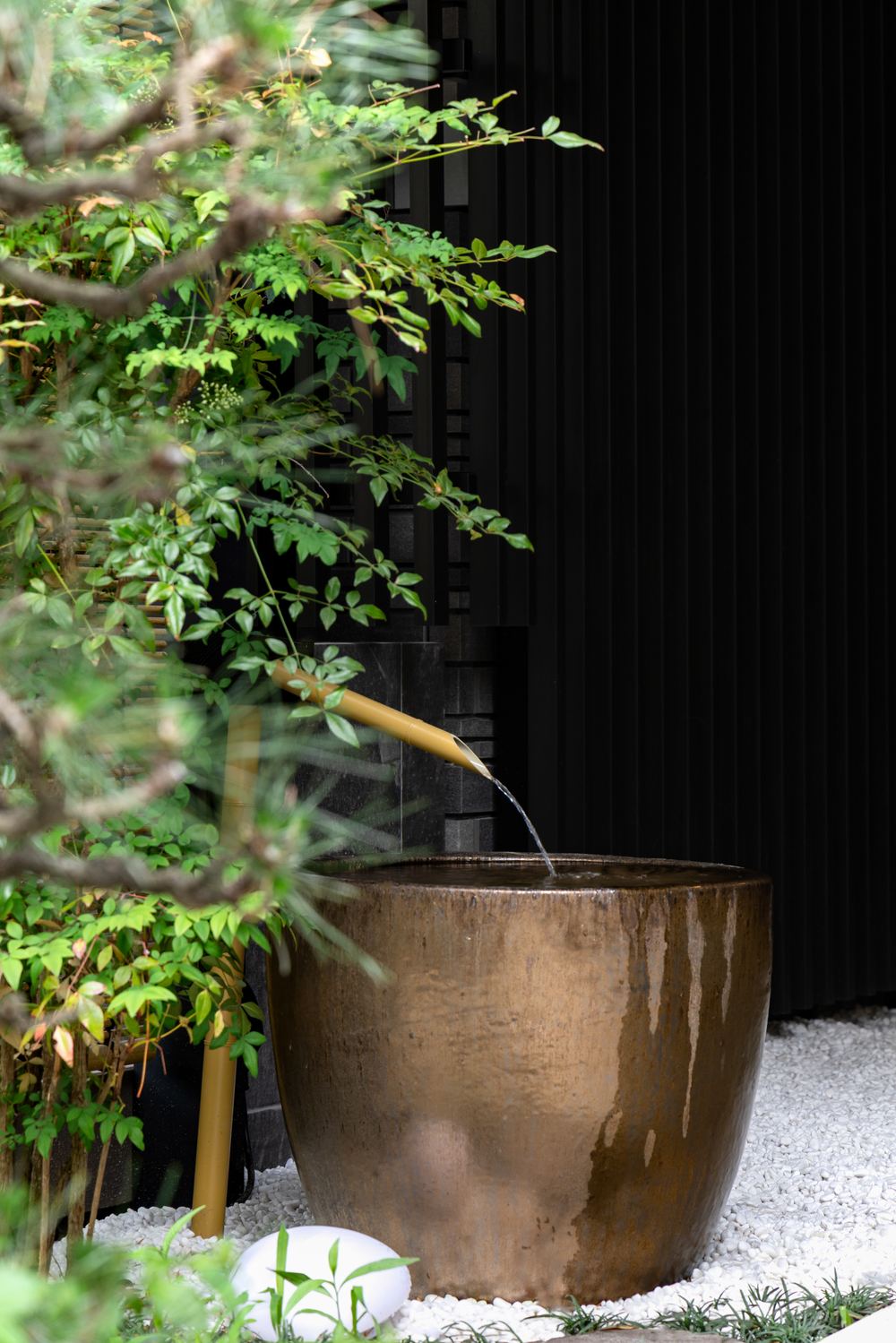
A garden made for looking, not walking — held inside the building rather than beside it. Water falls into a bronze basin all day, whether anyone is watching or not.
07
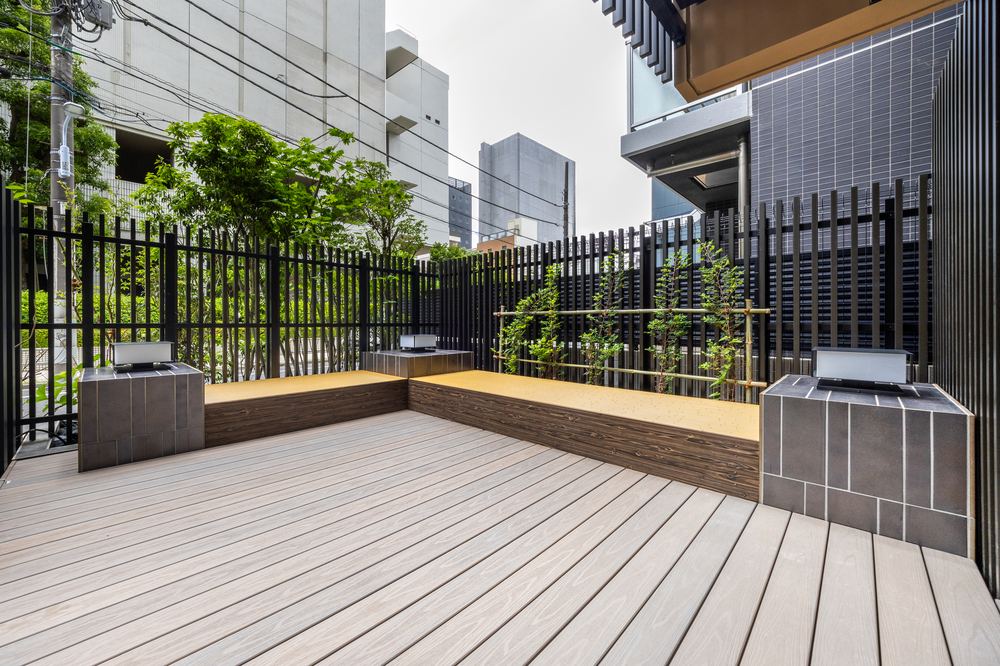
The cedar deck
And then the deck — cedar underfoot, open to the sky, benches along two sides. Sit down. You have arrived.
Not a hotel. A home —
and the time together you came for.
森小屋 · MoriKoYa
What the house is
made of
Nothing here is a theme. The materials were chosen because they are what this kind of building in this part of Tokyo has always been made of.
Cedar
Deck, lattice, screens. It greys honestly with weather rather than pretending not to age.
Granite
Path, lantern, steps. Laid stone by stone; the joints are deliberately irregular.
Bronze & bamboo
The basin and its spout. Both were made to be used, and are.
Black lattice
Gate, screens, the wall along the deck. It shuts the street out without shutting the light out.
Real walls
Original apartment construction. Bedrooms with doors that close, which is rarer in Tokyo than it should be.
Water
Running from morning to night in the courtyard. The only sound the building makes on purpose.
The
practical facts
We would rather state these plainly than have you discover them.
The suites
Two-bedroom apartments sleeping up to six, and a three-bedroom sleeping eight. Floors two to nine.
Ten or more
Book two suites side by side. Tell us the shape of the group — which generation needs the lift, who is sharing with the children — and we will lay it out before you arrive.
The first two mornings
Everyone wakes at four. There is a kitchen, a kettle and a supermarket under a minute away; the convenience store never closes. It is the plainest reason an apartment beats a hotel room in the first week.
Breakfast
There is no dining room. Life, a full supermarket, is under a minute from the gate: sashimi and hot bento cut that morning at the counter, everything else on the shelves, open until midnight. Buy dinner on the way home; let the children choose their own onigiri for tomorrow.
Families
Travel cribs and bed rails on request. Sliding doors between bedrooms; washer-dryer in every suite.
Deep soaking bath
In every suite, separate from the shower — the Japanese arrangement, and the better one.
Check-in
Self check-in; codes arrive the morning of arrival.
Arriving
About forty minutes door to door from Haneda, sixty-five from Narita — direct trains, no change of line. The full journey, with luggage, is on the Access page.
Licensed
旅館業 permit 8台台健生環き第10045号 — 旅館・ホテル営業, Taito-ku Public Health Centre.